Producer record · Morey-Saint-Denis · MMXXVI
Domaine Kuheiji
Burgundy, understood through fermentation. A sake brewery's reading of Morey-Saint-Denis — temperature, time and restraint in place of force — recorded here through two bottles held privately.
Banjo Brewery · Hirotaka Ito · Morey-Saint-Denis · Aligoté · Pinot Noir
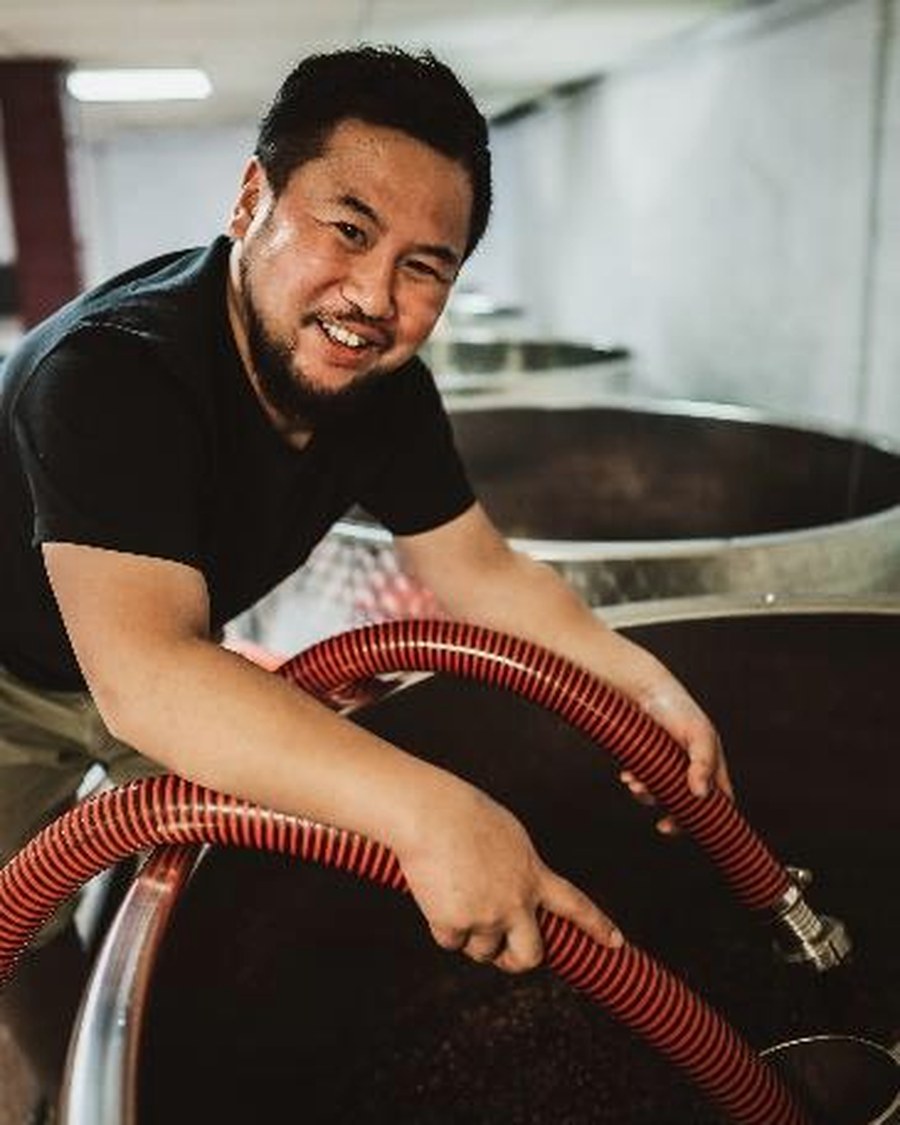
The producer
A sake brewery did not come to Burgundy to imitate Burgundy.
Domaine Kuheiji begins before Burgundy. It begins in Japan, with the Banjo brewery — a house that has made sake under the name Kuheiji since 1647 — and with Kuno Kuheiji, its owner and a devoted reader of Burgundy. Delivering his sake to the tables of Parisian restaurants, he came to believe that wine and sake ask the same question: how a place expresses itself through fermentation.
The person who carries that belief into the vines is Hirotaka Ito. Born in Aichi in 1979, he entered Banjo in 1999 and spent fifteen years making sake before travelling to France in 2013. He arrived with another discipline already inside him: fermentation as architecture, temperature as language, and the invisible life of microorganisms as the real centre of the work.
In 2014 he worked the vineyards of Gevrey-Chambertin. In 2015 the house acquired a cellar in Morey-Saint-Denis; the first vintage followed in 2016. By 2017 the domaine held 2.5 hectares of its own vines around the village — a domaine not only in name, but in substance.
The wines are not interesting because they are Japanese interpretations of Burgundy. They are interesting because they ask a more exact question: what happens when Burgundy is read by someone trained to think first about fermentation?
LA DISPERSION,
L'ORDRE
Complexity, efficiently increased · disorder made into order
— printed on the back label of every Domaine Kuheiji wine
Fermentation
The stage, not the gesture.
In Kuheiji's own language, fermentation is a drama performed by tiny, invisible microorganisms. They are the actors; the winemaker does not play the lead. He prepares the stage. Even the best grapes and the best yeast cannot show their character on a poor one.
This moves the question further back than most Burgundy conversations, which begin with extraction, stems, pigeage or barrel. Here the question is not how forcefully the wine should be touched, but what environment allows the fruit to become itself. The domaine works with natural yeasts in small tanks of about 1,600 kg — five barrels' worth, deliberately small — where, in most years, fermentation can find its own temperature without machinery.
Whole bunches are laid in with great care to avoid crushing them, left for about a week, then let down slowly. Ito does no pigeage and only a few early remontages: he believes extraction is governed by temperature and time far more than by how often the wine is worked. Compared to most, he hardly touches it.
So the wines should not be read as minimal intervention in the fashionable sense. They are more precise than that. The aim is not to do nothing. The aim is to prepare so carefully that very little needs to be done.
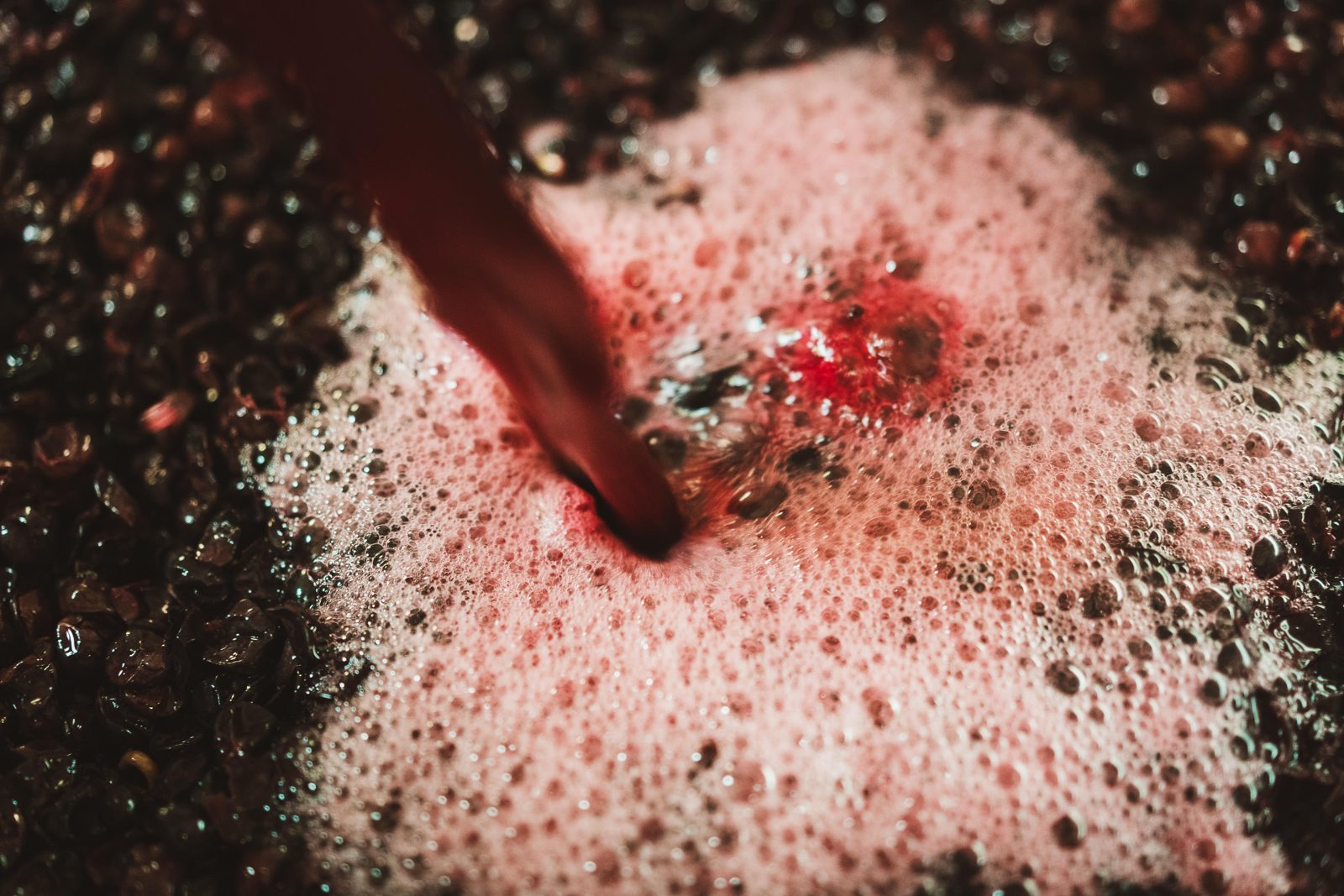
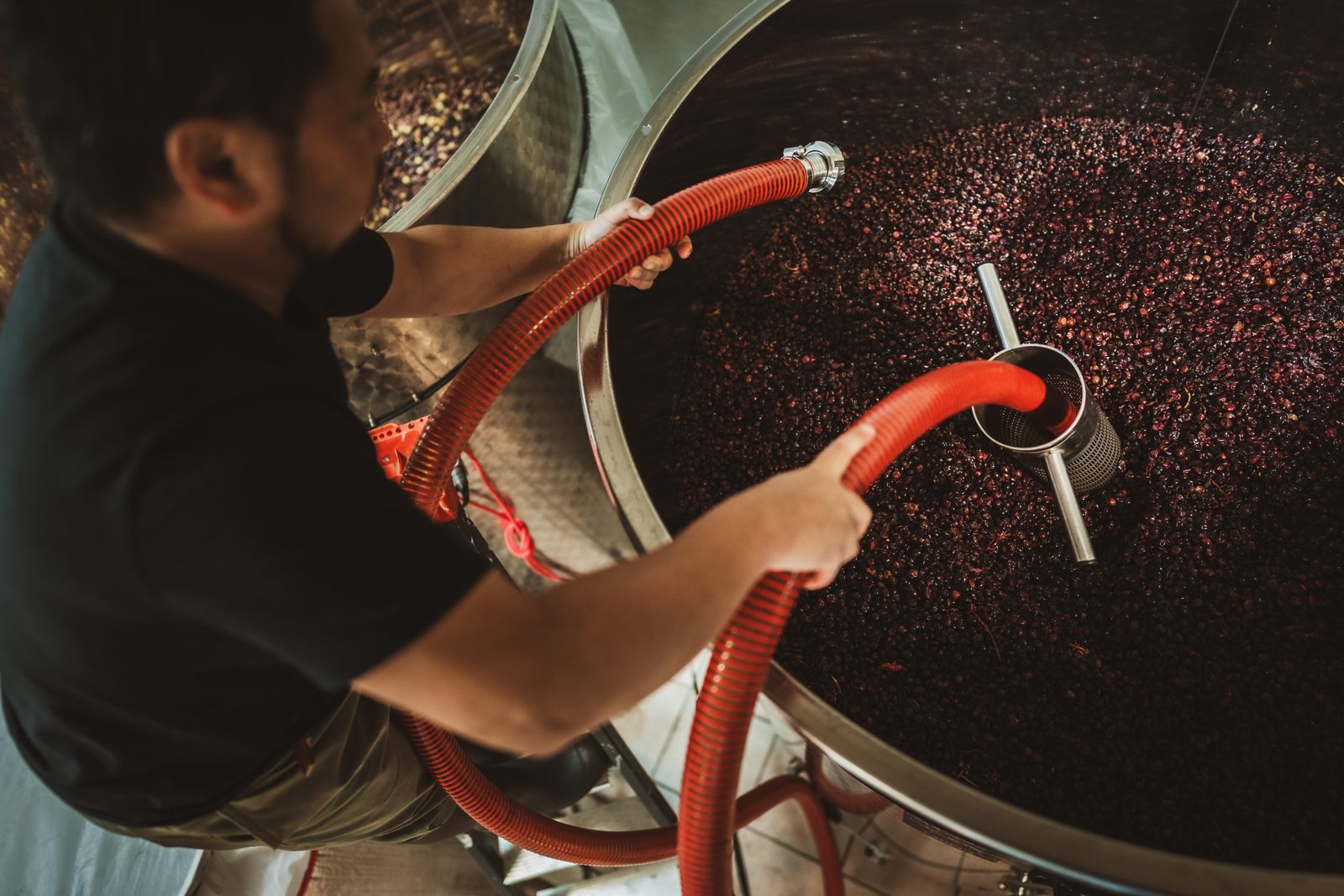
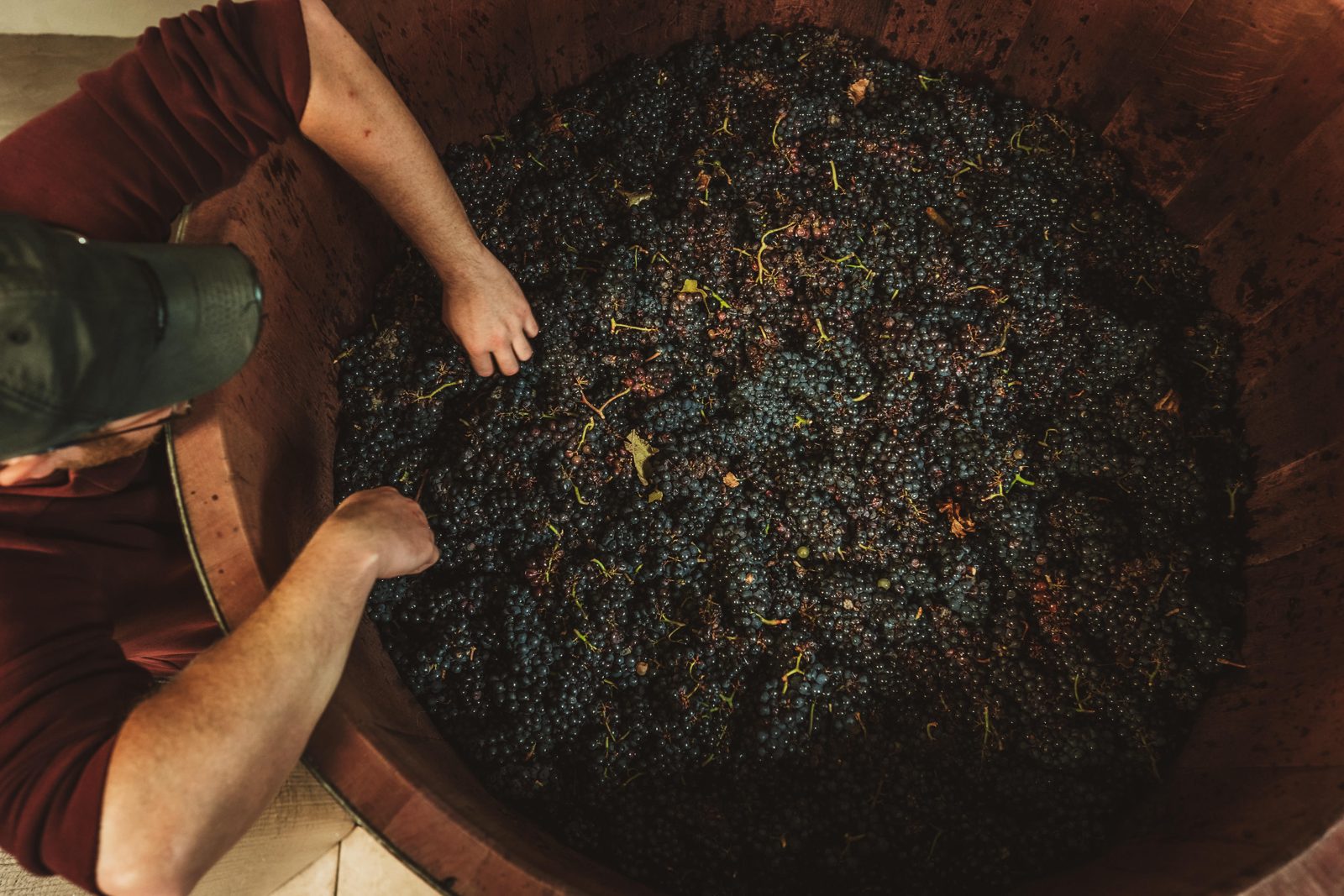
Cuverie, October 2021 · Photographs courtesy of Domaine Kuheiji
Before Burgundy
Sake is not the anecdote. It is the method.
The sake background is easy to romanticise. It should not be. For Kuheiji it is a technical inheritance, not a decorative origin story.
Sake brewing gives Ito a closer reading of the relationship between fermentation and temperature than the wine trade tends to hold. In sake, koji is used precisely for its enzymes — the hidden actors that drive change alongside the yeast. That sensitivity does not make his Burgundy taste of sake. It changes how Burgundy is approached.
In sake, a rice field can be read with the seriousness Burgundy gives a vineyard: the variety matters, but so does the place, and so does the environment prepared for fermentation. This is the compelling part of the domaine — it neither flattens Burgundy into technique, nor turns sake into exoticism. It lets one discipline sharpen the other.
Morey-Saint-Denis
A small domaine inside a serious village.
Domaine Kuheiji holds 2.5 hectares around Morey-Saint-Denis, divided across six lieux-dits and ten parcels, facing the villages of Morey-Saint-Denis and Chambolle-Musigny. The estate wines are Bourgogne Aligoté and Coteaux Bourguignons; a broader range of négoce cuvées is made alongside, but the domaine's own fruit is the honest place to begin.
The Aligoté grows on limestone and clay at Les Champonnier, with much of it planted around 1975 and worked as vieilles vignes. In the domaine's own framing the aim is not abundance but health: low yields, high acidity, and grapes clean enough that only trace sulphur is needed. The Coteaux Bourguignons parcel at Aux Aires is planted to Pinot Noir and Gamay, again with old vines from the mid-1970s.
These are not the most glamorous names in Burgundy, which is exactly why they matter here: they let the philosophy be seen without the noise of a grand cru label. For The Empty Drops this is the right entry point — not a trophy, but the foundation: Aligoté and Pinot Noir as evidence of how the domaine thinks before the market tells the collector what to admire.
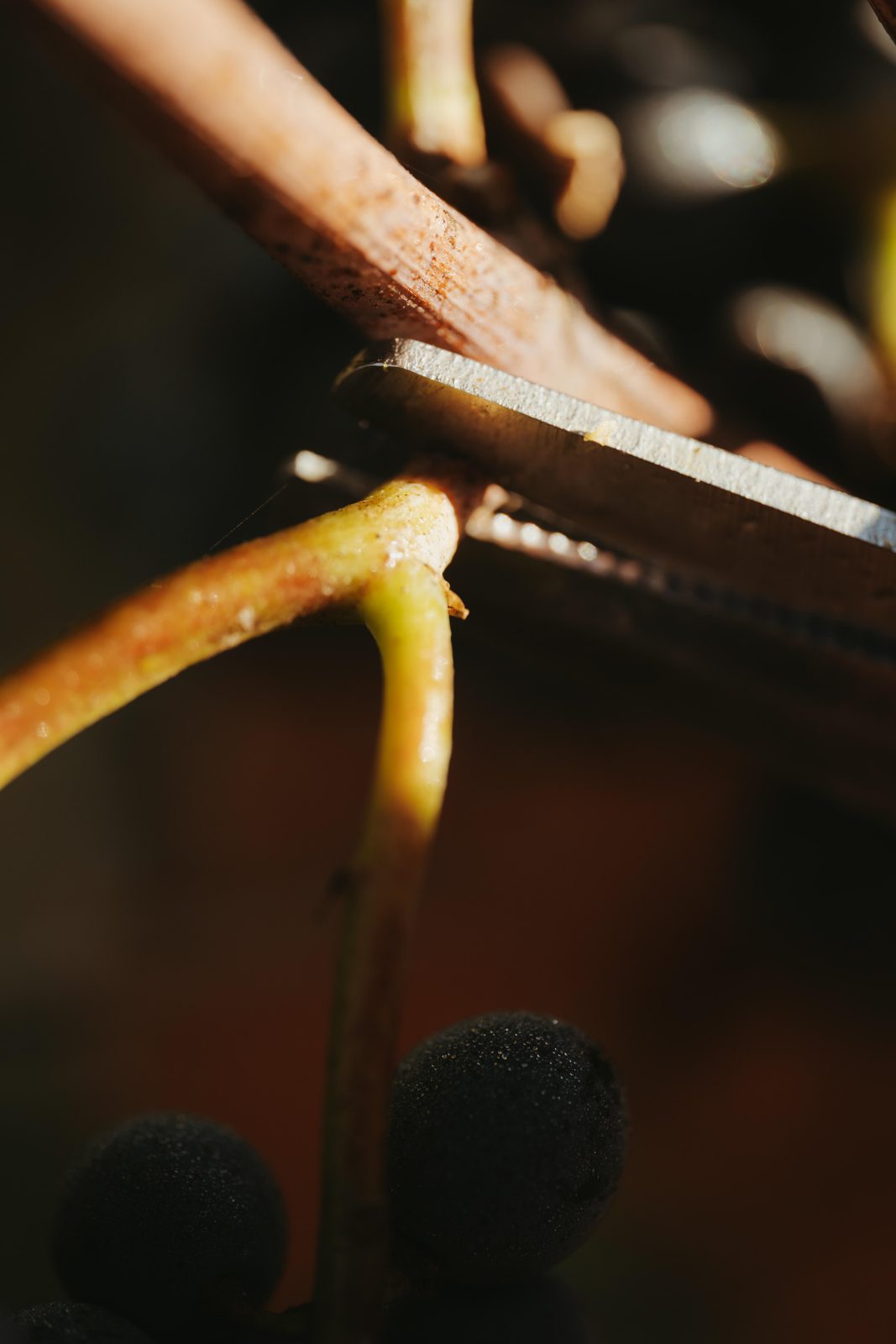
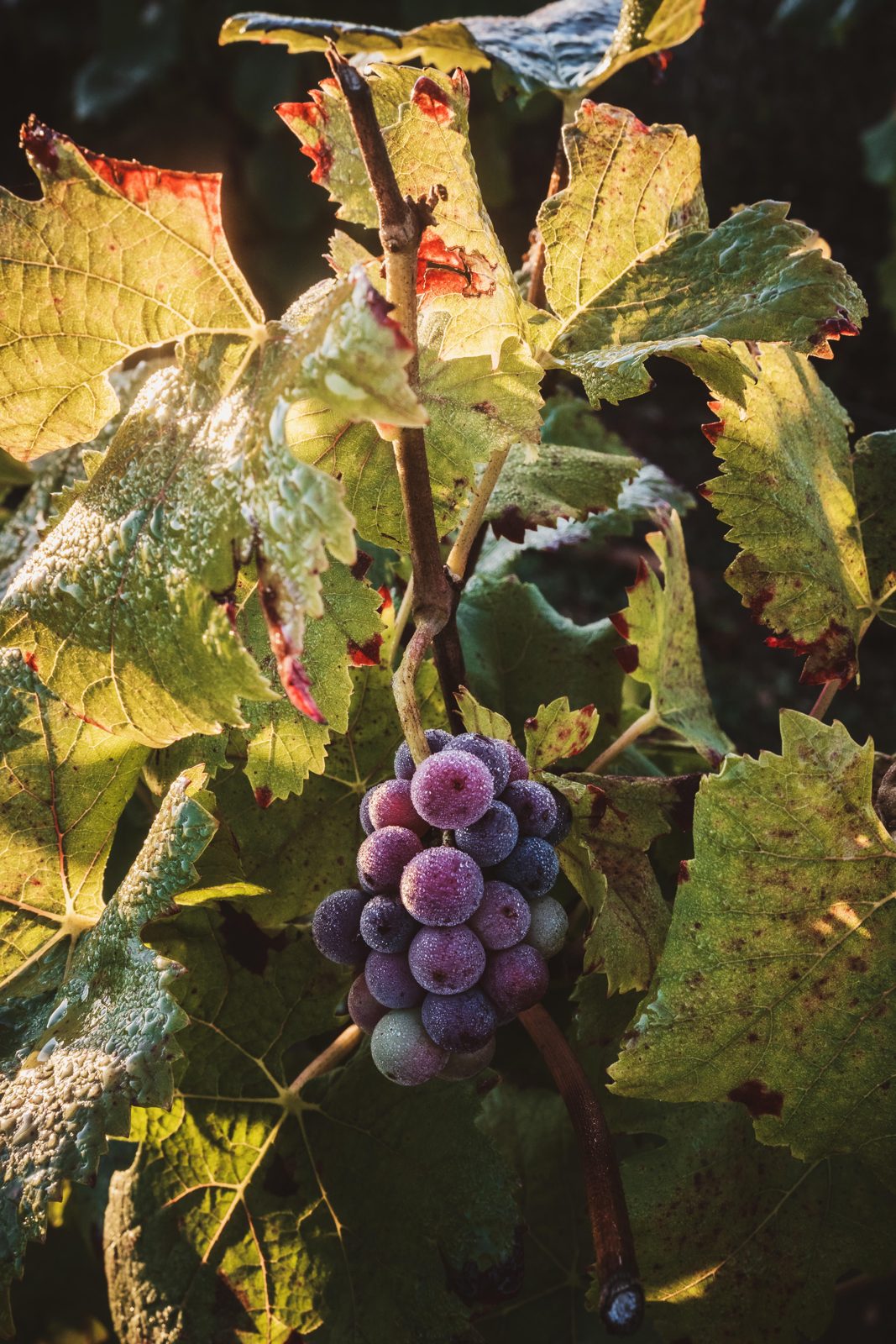
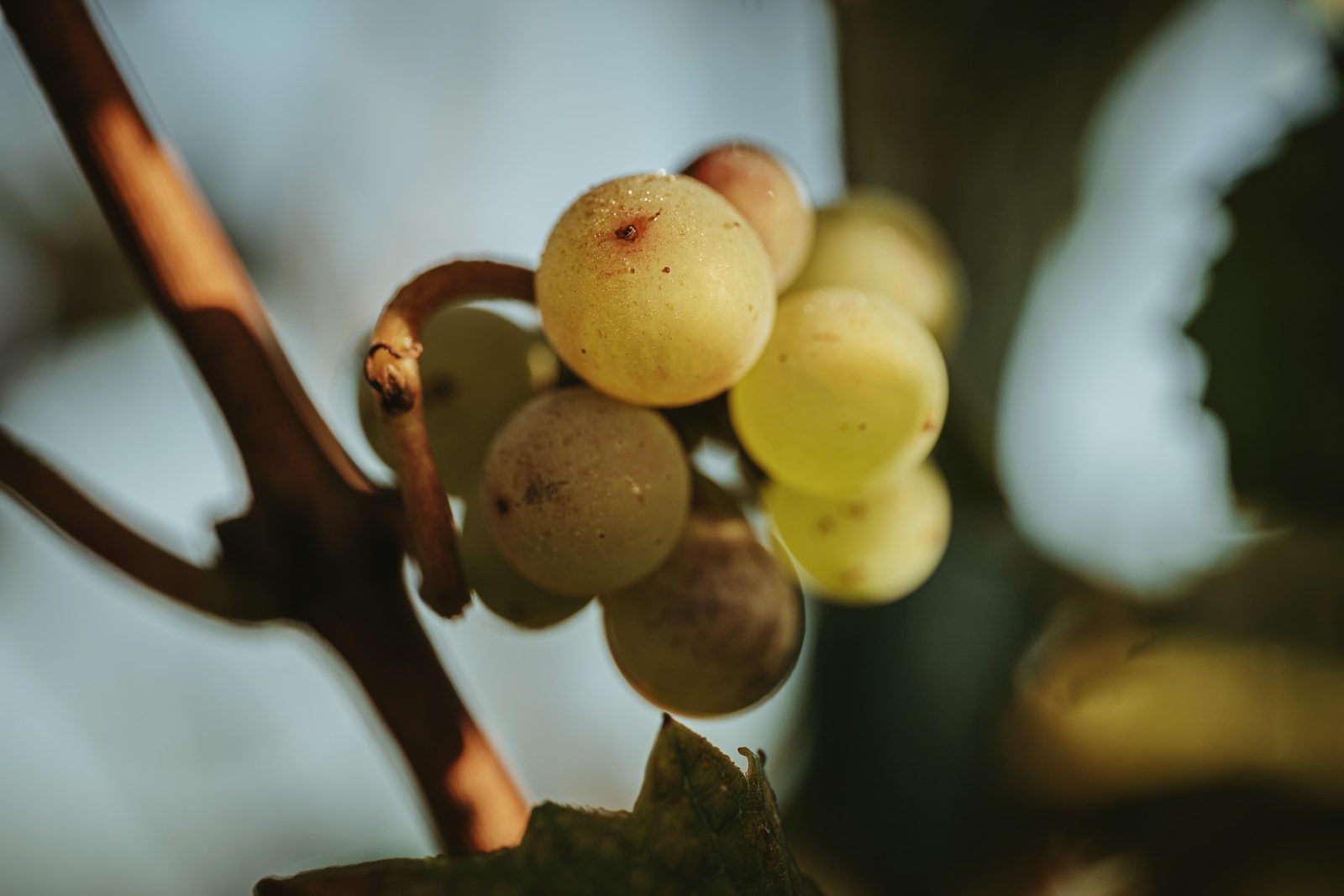
Harvest 2021 · Photographs courtesy of Domaine Kuheiji
Why it matters
Some producers begin with place. Kuheiji begins with fermentation.
Domaine Kuheiji belongs in this cellar because it offers a different way of reading Burgundy. It is not a historic estate with centuries of accumulated authority, and not a speculative label built on scarcity. Its interest lies elsewhere: in the movement of yeast, the timing of temperature, the hidden role of enzymes, and the belief that wine grows more complex when the right environment is prepared and unnecessary contact avoided.
That gives the bottles a quiet intellectual tension. They are Burgundy, but not only Burgundian; shaped by Morey-Saint-Denis, but also by a mind trained in sake. They do not ask to be admired for origin alone. They ask to be understood through process — the bottle as fermentation memory.
- The house
- Domaine Kuheiji is the Burgundy estate of the Japanese Banjo brewery, maker of Kuheiji sake since 1647, established in Morey-Saint-Denis by its owner Kuno Kuheiji.
- The winemaker
- Hirotaka Ito, born in Aichi in 1979, made sake at Banjo for fifteen years from 1999 before travelling to France in 2013 to make wine.
- The Burgundy beginning
- Worked Gevrey-Chambertin in 2014, acquired a cellar in Morey-Saint-Denis in 2015, first vintage in 2016, and 2.5 hectares of estate vines by 2017.
- The philosophy
- Burgundy read through fermentation: natural yeasts, whole-bunch handling where used, small 1,600 kg tanks, minimal extraction, and a focus on temperature, time and enzymatic activity.
- In this cellar
- Bourgogne Aligoté 2023 and Bourgogne Pinot Noir 2023, both recorded privately.
Producer facts drawn from the domaine's own introduction document, supplied directly, and cross-checked against public record.
In the archive
The bottles, recorded.
Burgundy read through fermentation · kept privately · no public prices.
Bourgogne Aligoté
Morey-Saint-Denis, Burgundy · 2023 · 0.75L Recorded, not offered 02Pinot Noir Bourgogne
Morey-Saint-Denis, Burgundy · 2023 · 0.75L Recorded, not offeredThese bottles are recorded privately in this cellar. They are not presented as a public offer; they remain part of the archive unless released separately. Interest can be left by private request.
Questions
What is Domaine Kuheiji?
Domaine Kuheiji is a Burgundy domaine in Morey-Saint-Denis. It was established by Kuno Kuheiji, owner of the Japanese Banjo sake brewery, with Hirotaka Ito — his sake brewer of fifteen years — as the winemaker on the ground. The first vintage was made in 2016.
Why did a sake brewery make wine in Burgundy?
In the domaine's own account, sake and wine share the same essential mechanism of alcoholic fermentation. What differs is the raw material, the place and the environment prepared for fermentation. The sake background is treated as method, not anecdote.
What makes Domaine Kuheiji distinctive?
The domaine reads Burgundy through fermentation: natural yeasts, careful grape handling including whole bunches where used, small tanks of about 1,600 kg, restrained extraction and close attention to temperature, time and enzymatic activity rather than physical work on the wine.
What does "LA DISPERSION, L'ORDRE" mean?
It is printed on the back label of every Domaine Kuheiji wine. It reflects the domaine's aim: to increase complexity efficiently — to raise disorder (entropy) while using less energy — which the house sees as one of the quiet roles of life itself.
Which Domaine Kuheiji bottles are recorded here?
The archive records Domaine Kuheiji Bourgogne Aligoté 2023 and Domaine Kuheiji Bourgogne Pinot Noir 2023, both held privately.
Can I buy Domaine Kuheiji from The Empty Drops?
These bottles are held privately and are recorded, not offered. If any bottle is released, it will be recorded separately through the usual channels.